
Free phone. Two words that have sold more cellular phone plans than any other promise in wireless history.
You’ve seen the ads. Walk in with your old device, walk out with the latest flagship smartphone at no cost. It sounds like a no-brainer. But here’s what the fine print doesn’t say upfront: there is no such thing as a free phone. There’s just a phone you pay for in ways that are harder to see.
Here’s how it actually works.
The 36-month math
When a carrier offers you a “free” phone, what they’re really offering is a monthly device credit spread across 36 months — three full years. Instead of giving you the phone outright, they apply a portion of the device’s value to your bill each month, as long as you stay on a qualifying plan.
That qualifying plan is almost always their most expensive tier. So the “free” phones come with mandatory unlimited phone plans you may not need, at a price point that’s significantly higher than what you’d otherwise pay.
Run the numbers over 36 months and the phone is rarely free. It’s just paid for differently, in a way that’s harder to track and easier to forget.
What happens if you leave early
This is where it gets expensive. If you decide to switch carriers before your 36 months are up — because you found a better phone plan, because your service isn’t what you expected, because anything changed in three years, you lose the remaining device credits.
That means you’re on the hook for the full remaining balance of the phone. A flagship smartphone that was supposed to be “free” can suddenly cost you $400, $500, $600 or more the moment you decide to leave.
It’s one of the most effective retention tools in the industry. Not because the service is good enough to keep you, but because leaving costs too much.
The trade-in trap
Many free phone offers also require a trade-in. Your old device gets valued — usually below market rate — and that trade-in value becomes part of the credit calculation. So you hand over a phone that might be worth $300 on the open market, get credited $200 toward a new device, and lock yourself into a 36-month agreement in the process.
If you’d sold that phone yourself and put the money toward an unlocked device on a cheaper phone plan, you’d likely come out ahead. But that requires doing math that carriers are not motivated to help you do.
The plan requirement
Here’s the part that often gets missed entirely. Most free phone promotions require you to stay on a specific, higher-tier prepaid or postpaid plan for the full 36 months. Drop down to less expensive phone plans and you lose the credits. Switch plans and you may forfeit the remaining device value entirely.
You’re not just locked into a carrier. You’re locked into a price point. And that price point is almost always higher than what you’d pay if you’d bought the phone outright and chosen your cell plan independently.
The smarter way to think about it
Separating your device from your phone plan is one of the most underrated moves in wireless. When they’re bundled together, it’s nearly impossible to evaluate whether you’re getting a good deal on either one. When they’re separate, you can make a clear-eyed decision about each.
Buy the device you want, at the price that makes sense. Then choose one of the best cell phone plans for your actual usage. If your needs change, you can adjust your plan without losing anything. If you want to switch carriers, you can do that too — no penalties, no forfeited credits, no math to untangle.
It’s a simpler way to manage your wireless life. And in the long run, for most people, it’s a less expensive one.
Frequently Asked Questions
Is a free phone ever actually free? Rarely. Most free phone offers are device credits spread across 36 months or even longer, tied to a qualifying plan. Leave early and you forfeit the remaining credits and owe the balance on the device.
What should I look for before accepting a free phone offer? Check the required plan tier and its monthly cost, the length of the commitment, what happens to your credits if you switch plans or carriers, and what your trade-in device is actually worth on the open market before handing it over.
What does it mean to separate my device from my plan? It means buying your phone outright or through a third party, then choosing cellular plans independently. You’re not locked into any carrier or price point, and you can adjust either one at any time without penalty.
What kind of phones work with MobileX? MobileX is compatible with most unlocked smartphones. You can check device compatibility directly in the MobileX app.
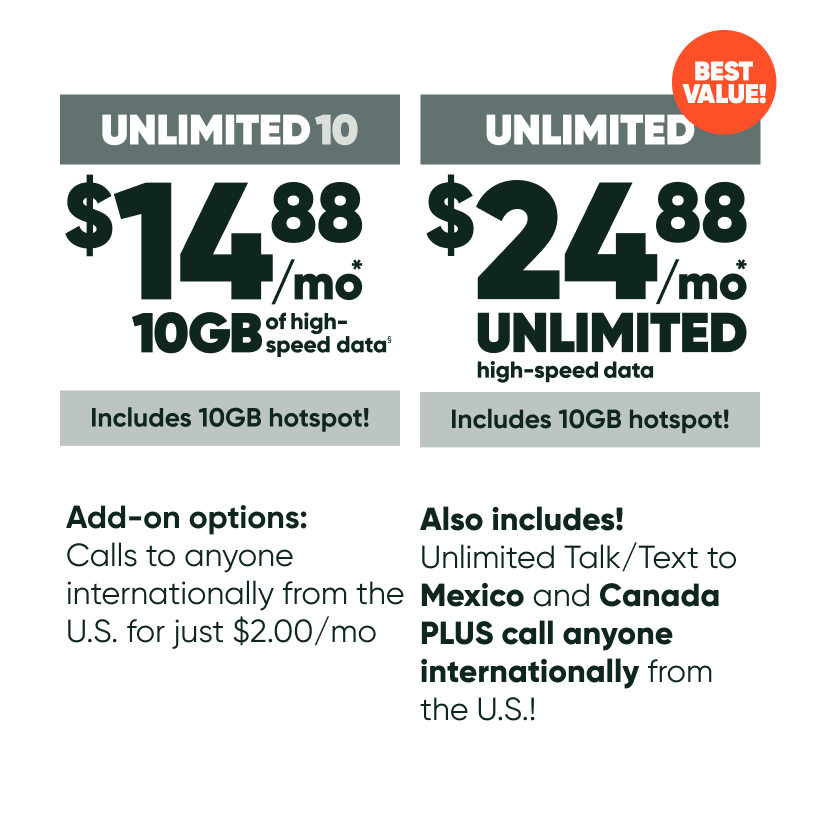
Ready to take back control? Build the phone plan that fits your actual life on our website, or pick up a MobileX Activation Kit on Amazon or at one of 3,700 Walmart locations.




 Spanish
  English